










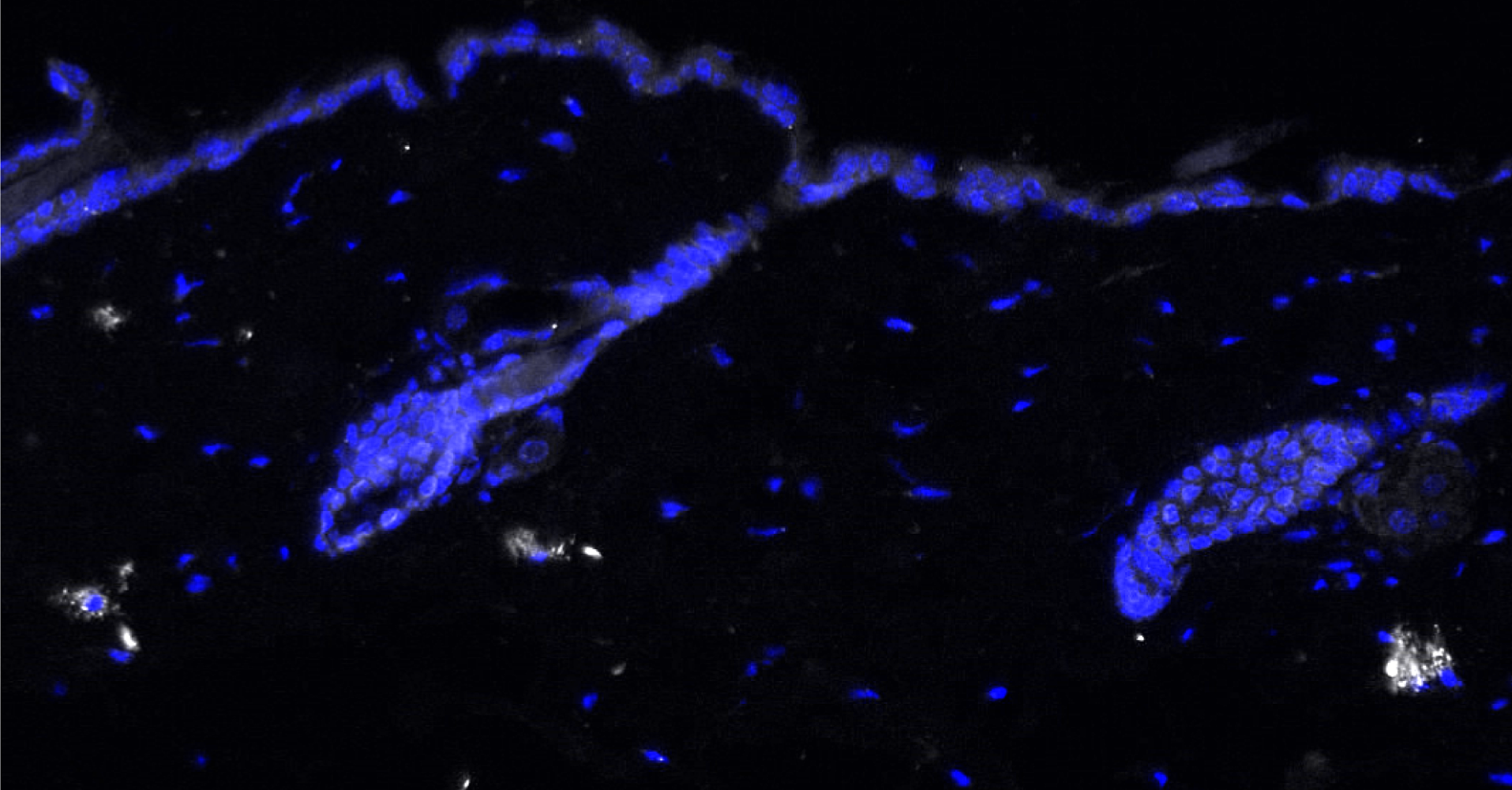




The Centro Nacional de Análisis Genómico (CNAG) has led a study, to identify the immune cell subtypes present in lymphoid and non-lymphoid...
Discover the challenge of immune checkpoint inhibitor therapies: to maximize anti-tumor immune responses while reducing immune-related...

The Spanish Association of Human Genetics (AEGH), a national organization with over 50 years of enhancing

The pre-enrolment period is now open until June 2024 for a new edition of the Master's in Genetics and Genomics, organized by the Univers

The Centro Nacional de Análisis Genómico (CNAG) and the Institut d'Investigacions Biomèdiques August Pi i Sunyer (IDIBAPS) have led this...

The principal investigator of the IBE and the Comparative Genomics Group Leader at CNAG has obtained the award in recognition of the...